
Lesson #13: Don’t Forget Plurals
“Shoe” and “shoes” aren’t the same in Google Ads. Include both in your campaigns and see which one performs better for your audience.
Lesson #13: Don’t Forget Plurals Read More »
“Shoe” and “shoes” aren’t the same in Google Ads. Include both in your campaigns and see which one performs better for your audience.
Lesson #13: Don’t Forget Plurals Read More »

Ad position shows where your ad appears on Google. It changes with every auction, and your “average position” tells how often your ad lands in top spots.
Lesson #12: Ad Position is a Tool. Use It. Read More »
Paid ads run on an auction model — you bid the max you’re willing to pay per click, but you almost always spend less. That’s how PPC platforms like Google Ads and Facebook manage cost efficiency.
Background: What It Means To Bid Read More »

The two major cost-per-click display networks are Google Display Network (GDN) and Yahoo Display Network. After the 2010 MSN–Yahoo merger, Yahoo took over MSN’s display network, becoming Google’s main competitor in display advertising.
Running Ads on the Yahoo Network Read More »
When managing Google Ads, use only one keyword match type per ad group. Separating match types into individual ad groups improves performance tracking, control, and optimization.
Lesson #8: Do Not Use More Than One Match Type In The Same Ad Group Read More »
Target searches that matter. Check your search query report and make sure your negative keywords aren’t blocking ads you actually want to show.
Lesson #7: Fix Negative Keyword Mistakes That Cost You Clicks Read More »
Negative keywords keep your Google Ads and PPC campaigns efficient by filtering out unwanted traffic. Choose the right match types to improve click-through rates, increase conversions, and focus your budget where it matters.
Background: Negative Keywords & Negative Keyword Match Types Read More »

To build a successful Google Adwords campaign, it’s important to understand the different keyword match types that Google offers.
Keyword Match Types Explained Read More »
One ad isn’t enough. Run multiple versions, monitor results, and pause low performers so your best ads get the spotlight (and better ROI).
Lesson #6: Have More Than One Ad Running At A Time Read More »
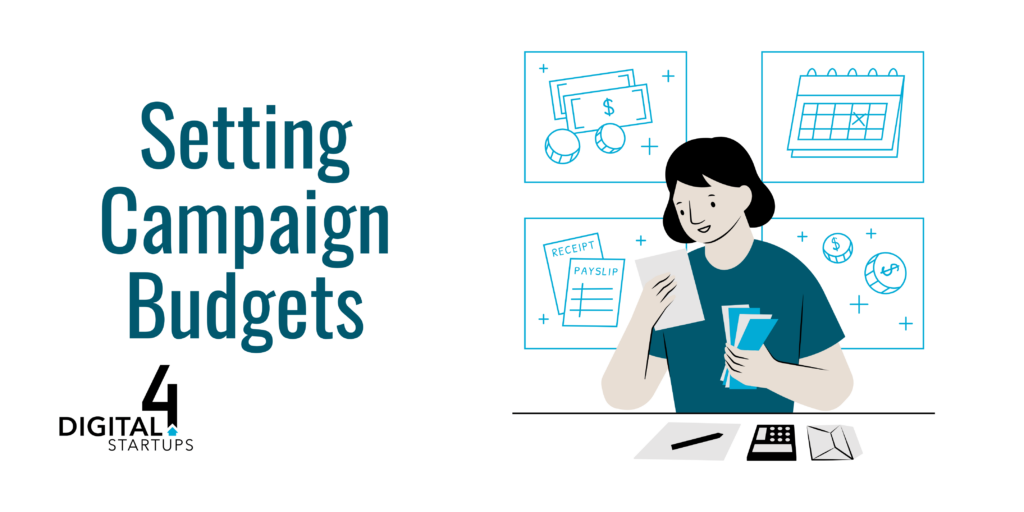
Setting smart Google Ads and Microsoft Advertising budgets helps control spend and avoid surprises. Use both daily and account-level budgets to safeguard your campaigns. Since Google may exceed daily limits by up to 25%, set your cap slightly below your max spend. Even if funds are flexible, an account-level budget ensures you never exceed what you planned.
Lesson #4: Don’t Forget To Set Budgets Read More »