A practical framework for aligning strategy with customer intent
When starting with digital marketing, most businesses know they need it. Fewer know where to allocate time and budget, or which stage in the marketing funnel to target.
Some invest heavily in brand awareness but see little impact on revenue. Others concentrate on driving conversions without building enough demand. The marketing funnel will help you bring structure to your decision. It maps how customers move from first interaction to purchase.
Without a defined focus on top-of-funnel, middle-of-funnel, or bottom-of-funnel activity, your marketing becomes reactive and inconsistent. From there, TOF, MOF, and BOF performance can suffer.
Over time, this lack of direction affects lead quality, conversion rates, and overall return on investment. Here’s how a defined funnel strategy will align your business goals with customer behavior.
What Is the Marketing Funnel?
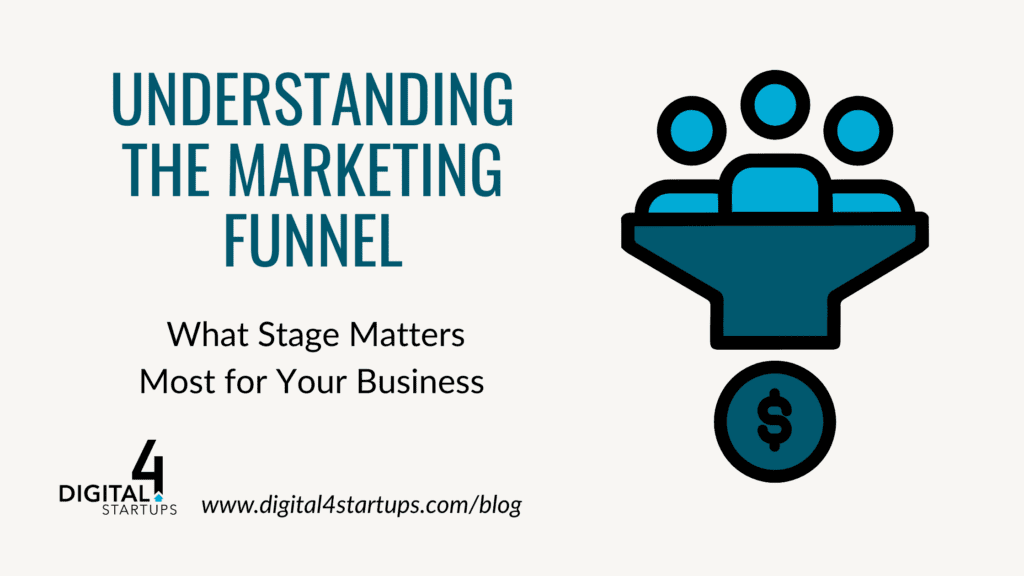
The marketing funnel is a framework that outlines the stages a customer moves through before purchasing. It is commonly divided into top (TOF), middle (MOF), and bottom (BOF) stages.
Each stage reflects a different level of awareness, consideration, and intent. As potential customers move down the funnel, intent increases and lead quality improves.
This structure exists because customers rarely move from discovery to purchase in a single step. They first become aware of a need, then evaluate possible solutions, and finally decide which option best fits their situation.
The funnel model allows businesses to tailor messaging to each stage. Instead of delivering the same content to everyone, marketers can use the funnel concept to target specific customers with their ads.
Stages of the Funnel
Top Of Funnel
TOF is focused on awareness and visibility. At this stage, potential customers may be researching a problem or exploring an idea without knowing which companies provide solutions.
At this stage, marketing focuses on visibility. Educational content, paid awareness campaigns, and social distribution introduce your brand to new audiences. The objective is to reach new audiences and generate an initial interest.
Middle Of Funnel
MOF centers on evaluation. At this stage, potential customers understand their challenge and are actively comparing options. They are seeking detailed information to assess credibility and expertise.
Case studies, in-depth guides, webinars, and email marketing campaigns all support this stage by building trust and demonstrating value.
Bottom Of Funnel
BOF is where decision-making takes place. Prospects are close to taking action but may need reassurance before committing.
Marketing tactics include strong calls to action, testimonials, product demonstrations, pricing clarity, and optimized landing pages. The goal is to remove hesitation and make the next step straightforward and compelling.
Benefits of Each Stage for Different Business Marketing Goals
TOF marketing attracts a larger audience, enabling companies to expand reach and build future pipelines. This stage is especially important for long-term demand generation.
MOF marketing offers more detailed and targeted content that businesses use to move prospects closer to a purchase decision. This stage strengthens relationships and benefits organizations that already generate traffic but need stronger engagement and lead qualification. It is critical in industries with long buying cycles and high consideration.
BOF marketing improves conversion rates, reduces acquisition costs, and can increase return on investment. Refining landing pages, simplifying conversion paths, and reinforcing trust elements can significantly improve results. BOF efforts ensure that existing demand turns into measurable outcomes.
How Do You Decide Which Stage Is Essential for Your Business
Choosing the right stage to prioritize begins with an honest evaluation of your performance data.
If website traffic is low, the issue may lie at the top of the funnel. However, if traffic is consistent but few visitors become leads, the middle of the funnel likely needs improvement. If qualified leads are generated but sales remain limited, attention should shift to the bottom of the funnel.
Asking practical questions can help clarify the problem, such as: Are enough new prospects discovering your brand each month? Are those prospects engaging with your content and sharing their contact information? Are leads progressing through the sales process at a healthy rate?
Your answers reveal where friction slows growth in the customer journey. It is also important to consider the broader business context. Aligning funnel priorities with business objectives ensures that marketing investments support overall growth.
Conclusion
The marketing funnel helps marketers understand how customers move from awareness to decision. By distinguishing between TOF, MOF, and BOF stages, businesses can match their messaging to the right audiences and avoid wasting time and money.
Each stage plays a specific role: visibility, consideration, or conversion. When marketing is structured around the full funnel, strategy becomes predictable and measurable.
If your funnel lacks clarity or balance, we can help you diagnose the gap and build a full funnel strategy that drives measurable growth. Contact us at info@digital4startups.com to start the conversation.