
Lesson #19: Don’t Mix Keyword Types
Never mix keyword types. Separate brand, generic, and competitive terms to protect performance and control costs.
Never mix keyword types. Separate brand, generic, and competitive terms to protect performance and control costs.
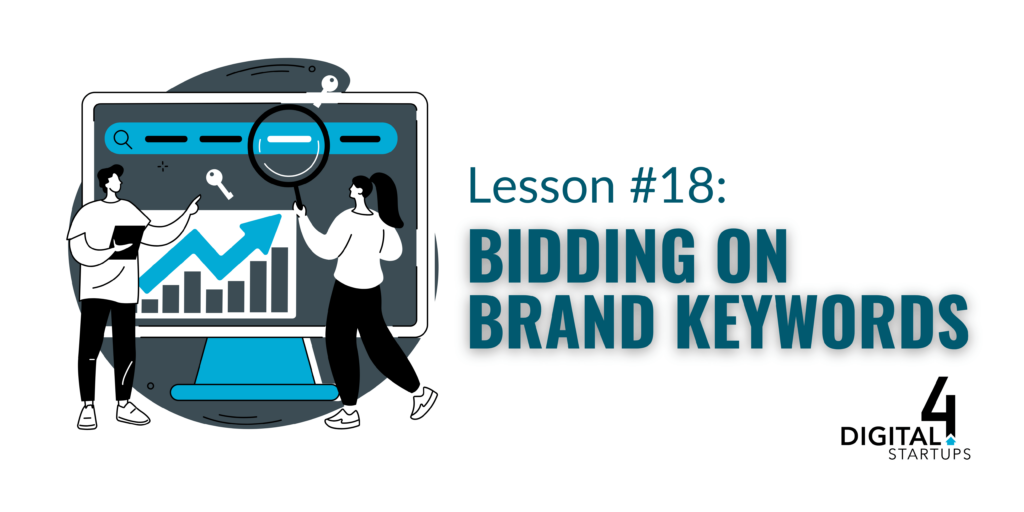
Bidding on your own brand keywords may seem unnecessary, but it’s one of the most effective PPC strategies. Brand campaigns deliver higher ROI, stronger control over messaging, and protect against competitors bidding on your name — all at a low cost per click.
In addition to match types, keywords can be grouped into four main categories. Understanding these keyword types helps you organize campaigns, target more effectively, and build a stronger overall strategy.

A beautiful homepage isn’t always the best destination for paid traffic. Always link your ads to the most relevant landing page — whether that’s a product, search results, or contact page — to match user intent and boost conversions.
Great digital marketers never stop testing. From ads to keywords, every decision should be driven by data. Regular testing reveals what works, what doesn’t, and how to improve ROI — but only act when results are statistically significant.
When running multiple ads in a Google Ads campaign, use ad rotation to test performance. Choose “Rotate evenly” for 30 days to gather statistically significant data, then pause weak ads and optimize based on what performs best.
Bidding on competitor keywords (conquesting) is controversial. It rarely performs well, hurts account quality if mixed with other campaigns, and may break advertising laws if done incorrectly. Keep it separate, transparent, and compliant.
Google has replaced its free Product Search (formerly Froogle) with Google Shopping — now a paid inclusion model. This shift means eCommerce brands must pay to have their products listed in Google Shopping results.
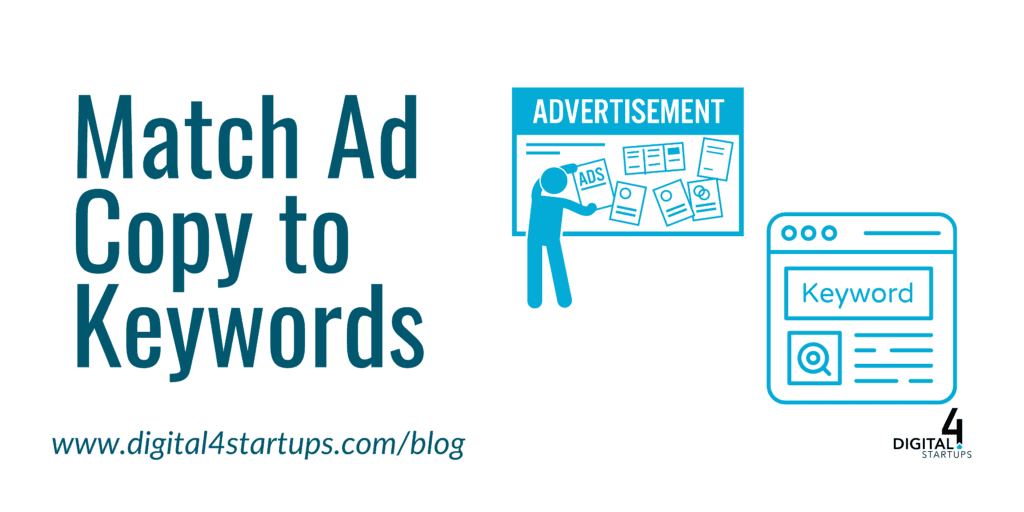
The more your ad matches what users search for, the better it performs. Using search keywords in your ad copy improves CTR and quality score, helping your ads show up more often at a lower cost.
“Shoe” and “shoes” aren’t the same in Google Ads. Include both in your campaigns and see which one performs better for your audience.